…And keep watch over the forest
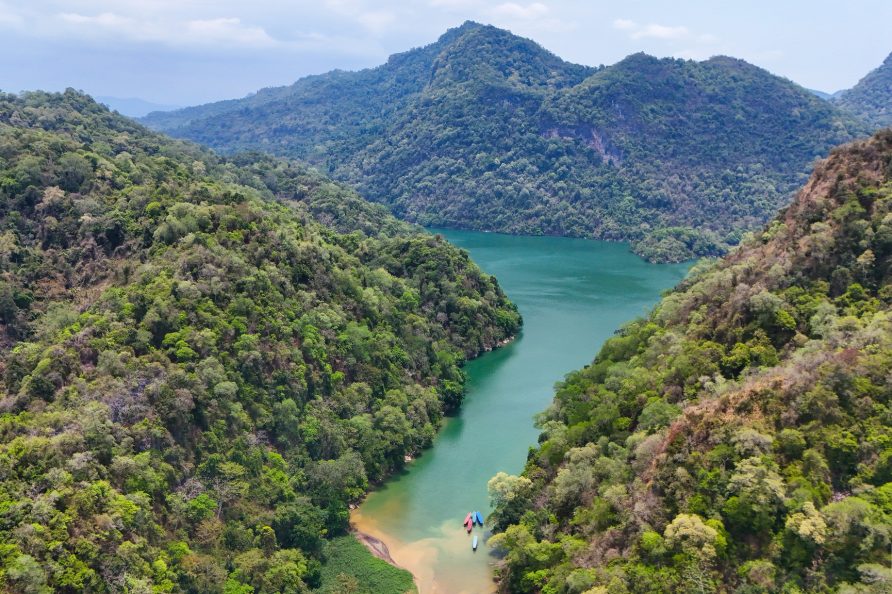
Picture this. You’re gliding silently in a traditional wooden boat. Around you, karst mountains rise like ancient guardians of 450 million years old. Suddenly, a flash of electric blue: no, your vision isn’t glitching. That’s one of the 367 true masters of this place.
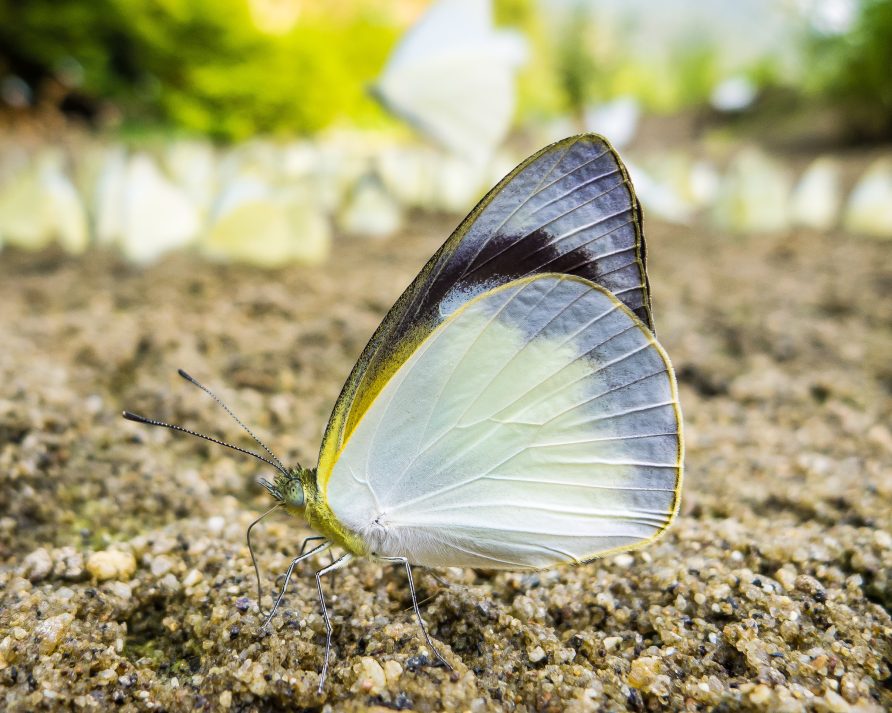
Welcome to Ba Bể! If you think this national park is just another pretty landscape, think again. It’s also one of the largest butterfly sanctuaries in Northern Vietnam.
Here’s why this place absolutely deserves a spot on your travel bucket list, and how to visit it with respect.
A biodiversity record that’ll make your head
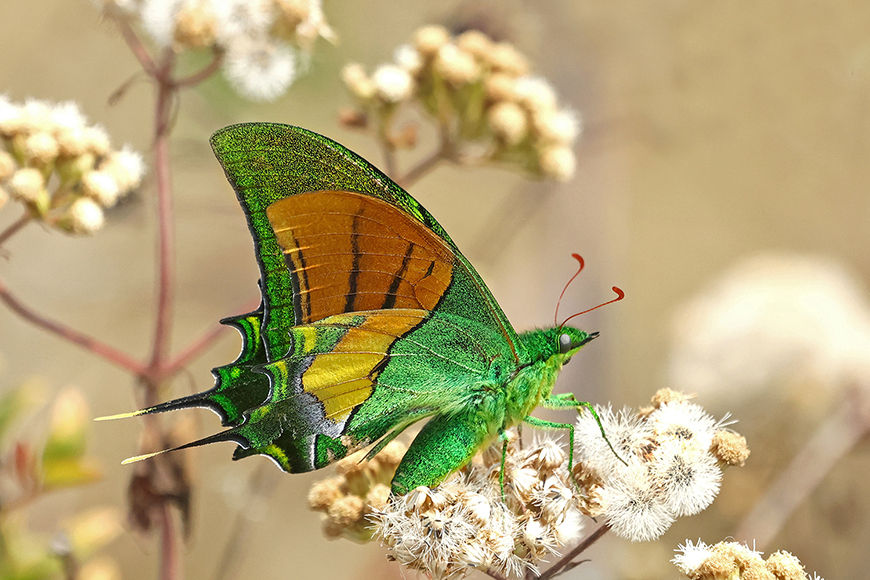
The numbers are staggering; even for scientists. According to recent inventories (2020–2023), between 332 and 367 butterfly species call this park home. That’s one of the highest densities in the entire country. You might even spot global celebrities like the Teinopalpus imperialis (Kaiser-i-Hind), a butterfly so rare that encountering it in the wild is basically winning the biodiversity lottery. Other protected superstars include the Troides helena (Common Birdwing) and several species listed under CITES, the international convention safeguarding threatened wildlife.
But wait, there’s more. During recent expeditions, researchers had the thrill of documenting 20 butterfly species never before recorded in Vietnam!
Why butterflies are the guardians of the lake
Beyond their undeniable charm, Ba Bể’s butterflies play a vital role in keeping the park alive. Scientists call them bio-indicators. In plain English: if the butterflies are thriving, the forest is healthy.
Their contribution is essential:
Shadow gardeners: They pollinate over 1,268 plant species within the park. No butterflies? No flowers, no fruits, no lush forest.
A crucial link in the chain: They feed the 233 bird species and the bats inhabiting the limestone caves.
Ecosystem sentinels: Their presence confirms the health of this 450-million-year-old karst ecosystem, designated a Ramsar Site (a wetland of international importance).
Where culture meets nature
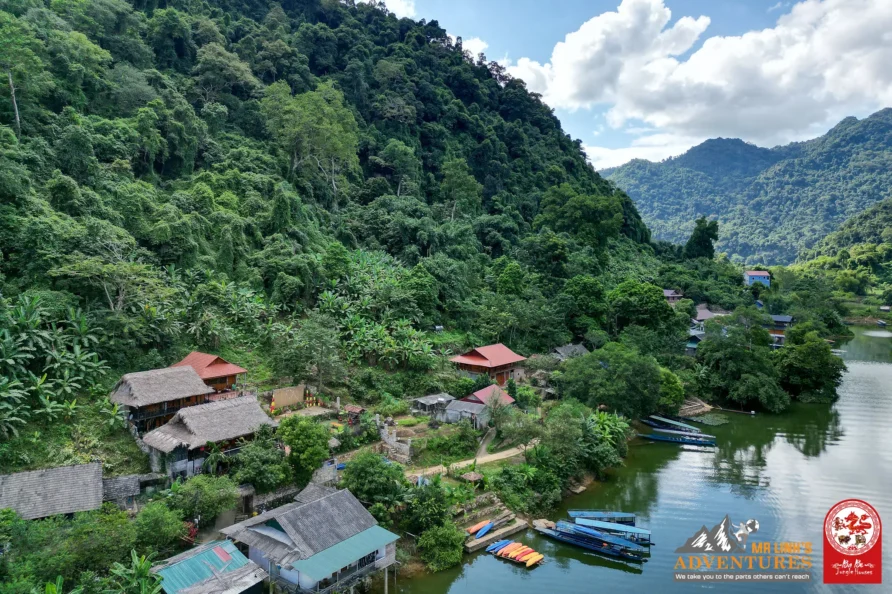
At Ba Bể, nature and humanity have never been separate. The lake has been home for over 1,000 years to the Tay, Dao, and H’Mông ethnic communities.
Did you know? Among the Tay people, certain forest zones are considered sacred (Rừng Cấm). Logging and hunting are forbidden there because these areas shelter the spirits (Then). These belief-protected zones act as untouched biodiversity refuges, where rare species find safe haven far from human disturbance.
Tips for ethical butterfly watching
Want to experience this magic? Here’s how to ensure your visit benefits both the park and its fluttering residents:
When to go?
The dry season, from October to April, is ideal. Butterflies are most active then, and skies are clear.
How to observe?
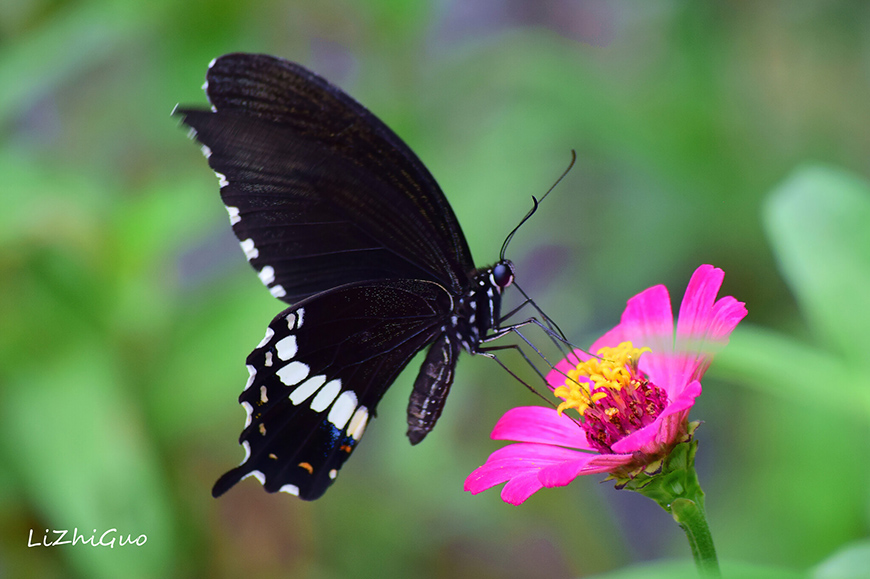
Opt for guided trekking or kayaking. Local guides know the trails where Papilionidae (swallowtail butterflies) love to rest.
The Golden Rule
Admire, photograph, but never touch. A butterfly’s wing is as delicate as antique glass.
Support local communities
Choose guides from the Tay or Dao ethnic groups. Responsible tourism helps fund forest conservation and preserves their traditions.
The mineral feast at Động Puông Cave
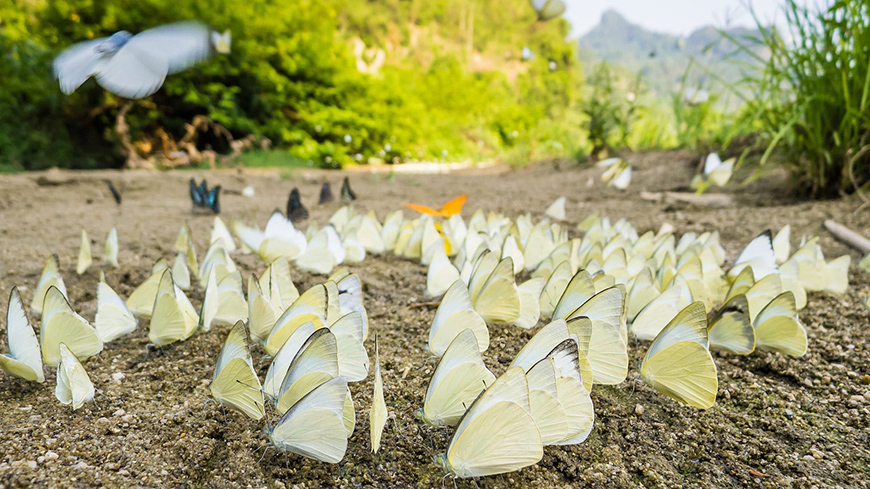
If you want to witness a true explosion of colour, forget the mountain peaks for a moment and head down to water level. The banks of the Nang River, especially near the majestic Động Puông Cave, hold a well-kept secret.
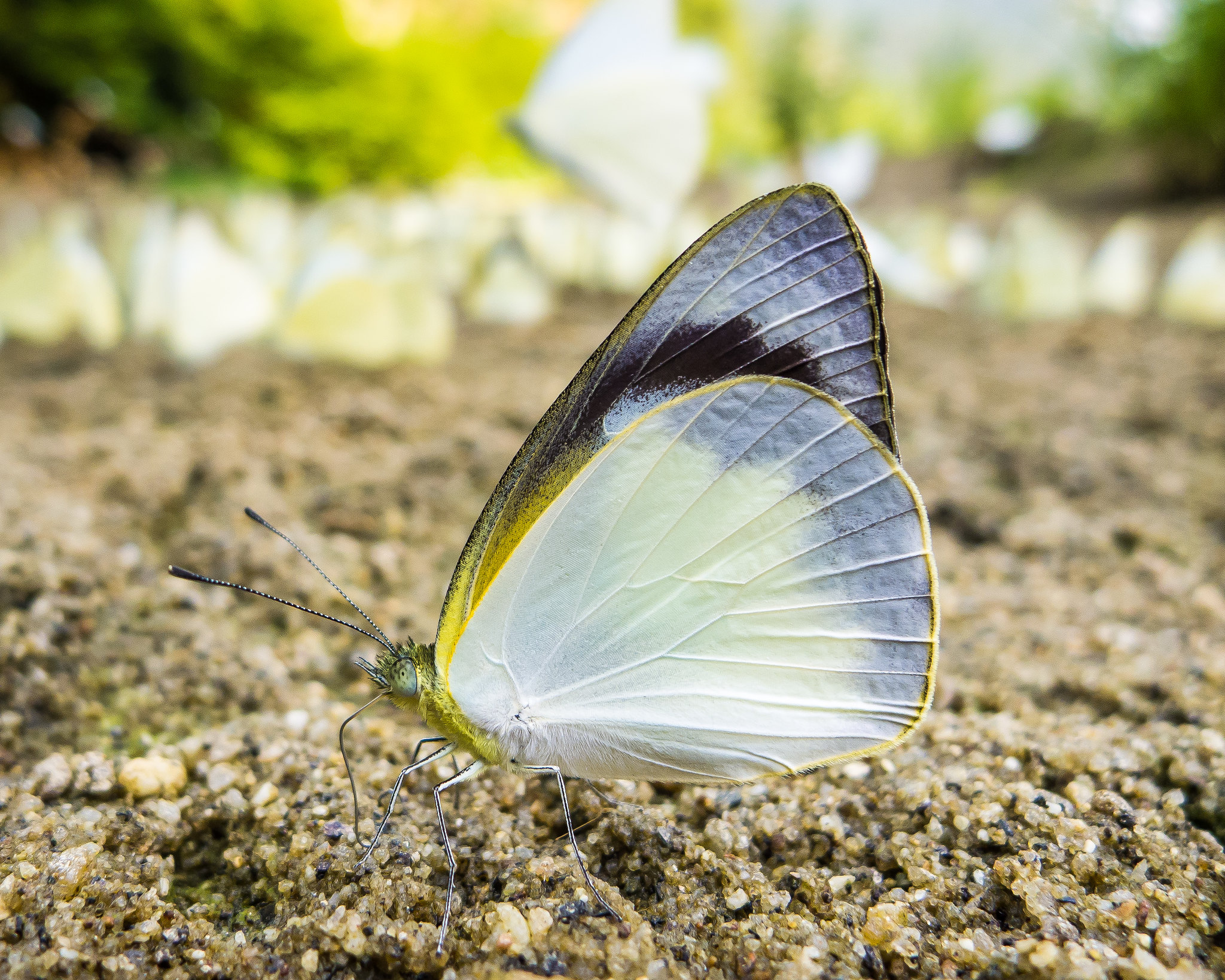
Contrary to appearances, these butterflies aren’t just casually sipping water on damp sand: they’re attending a full-blown mineral banquet. Ba Bể’s limestone soils and karst sediments, aged 450 million years, are rich in mineral salts and sodium—crucial nutrients for vigorous mating flights and reproductive success (which explains why males dominate these gatherings). This is where you’ll see groups of Papilionidae, wings trembling, sipping saline water like guests at a royal feast.
Our tip: Aprilis one of the pivotal months for this spectacle. It’s the tail end of the dry season, when the Nang River’s water level drops just enough to expose those mineral-rich sandbanks that “mineral-loving” species can’t resist.
Final thought
Visiting Ba Bể isn’t just about ticking another destination off your list. It’s about stepping into a world where every wingbeat matters, where every flower holds a story, and where humanity still has so much to learn from nature.
So, are you ready to let Ba Bể’s butterflies guide your next adventure in Vietnam?
For more details, check out the original article that inspired this piece.