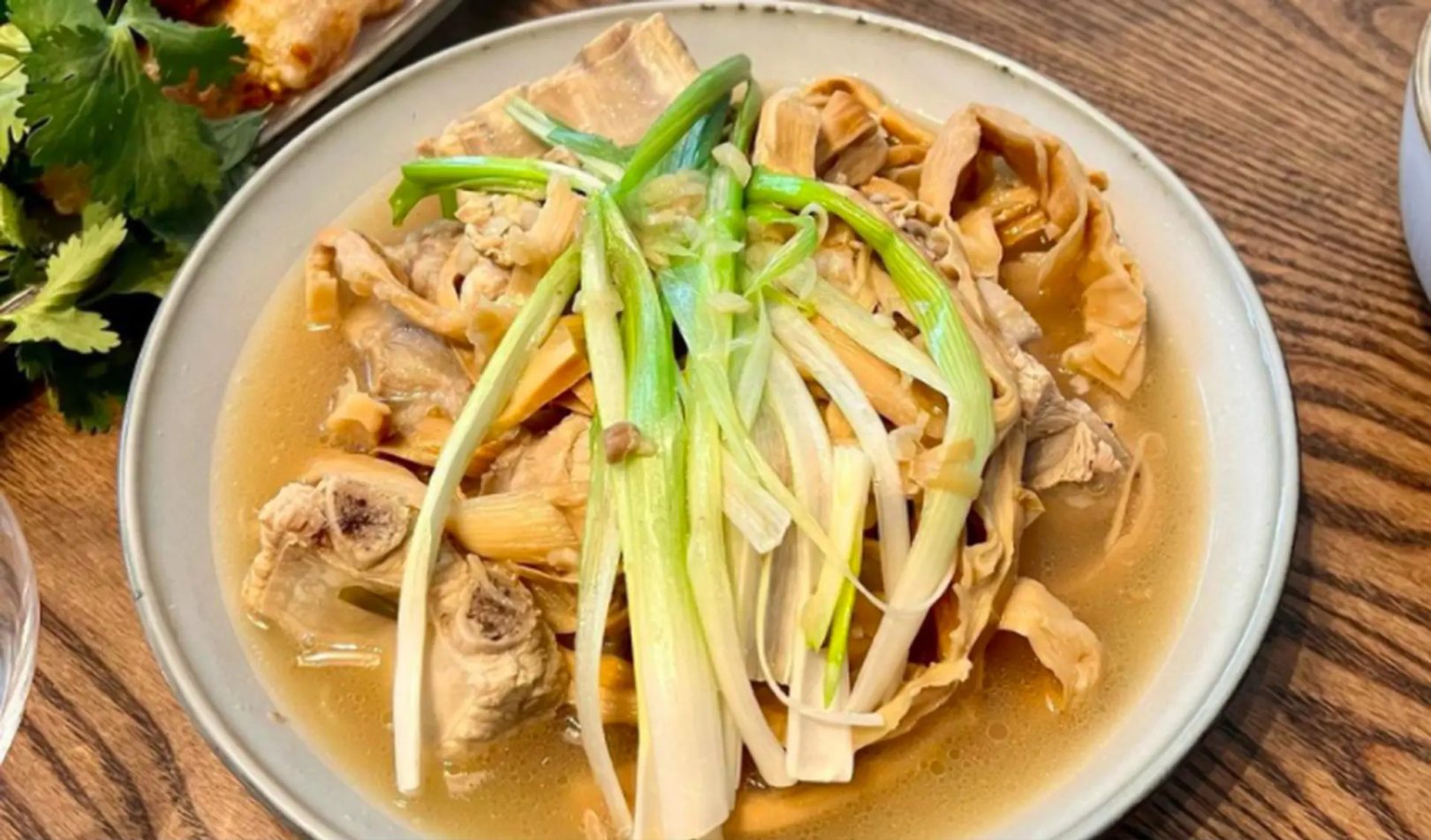
Dried bamboo shoot and bone soup
The soup of the broke lumberjack
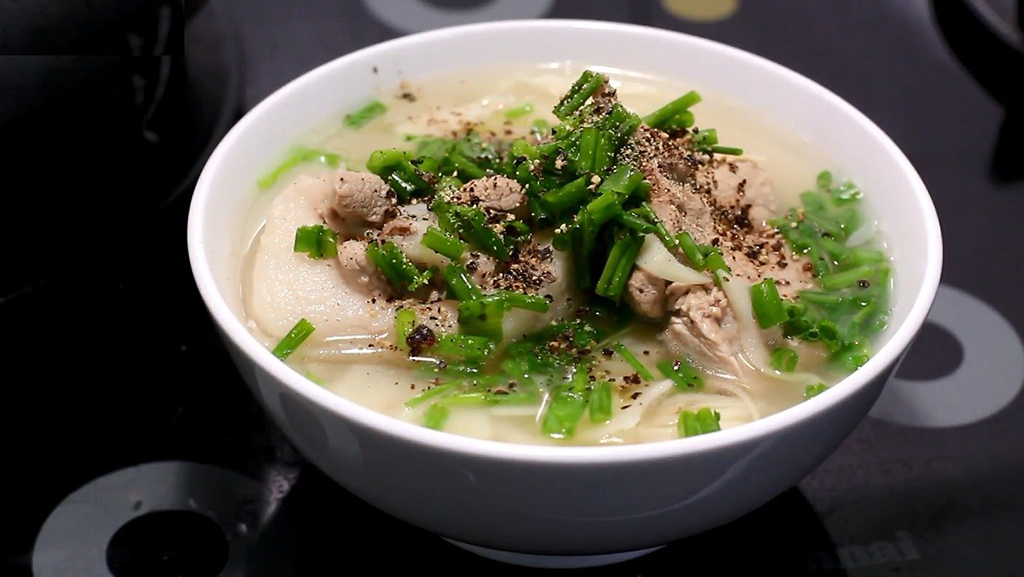
Originally a “poor man’s soup” made from foraged bamboo and spare pork bones, this slow-simmered treasure proves that with enough time and a pinch of smoky hạt dổi seeds, poverty transforms into a masterpiece of Vietnamese tradition
When Bắc Kạn cooks with almost nothing (and a lot of hạt dổi)
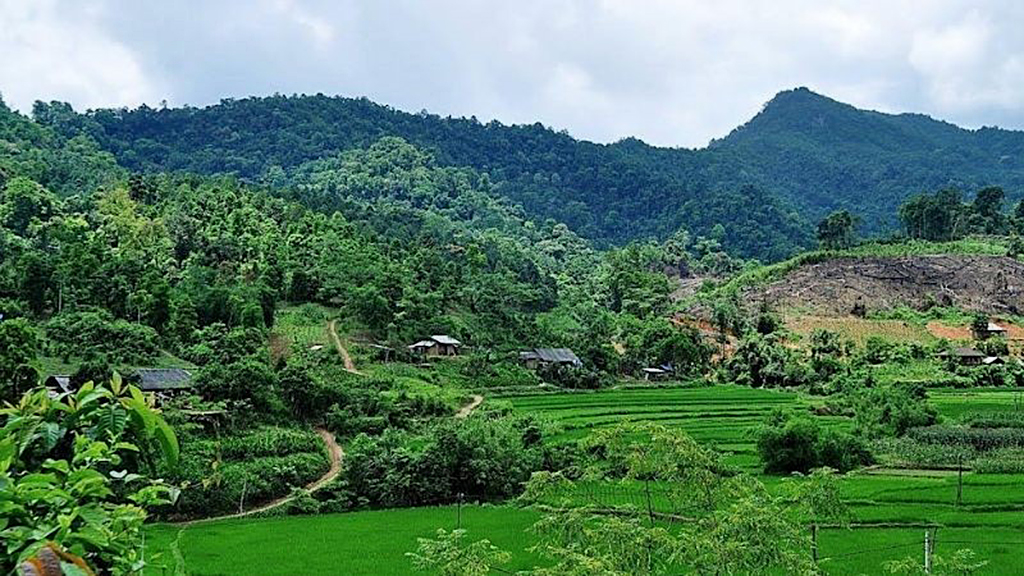
Once upon a time, in a cabin in the Bắc Kạn forest, a lumberjack returned in winter. His bag was empty. His purse, too. In a corner, a handful of dried bamboo forgotten since the rainy season. On his table, three pork bones he had begged for in the village, too poor for meat. A chipped clay pot. Wood fire. And time. The kind you have when you have nothing else.
He simmered. He waited. And discovered that poverty, simmered gently, becomes a feast.
From survival to tradition
The dried bamboo shoot and bone soup has taken the opposite path of most dishes. It did not originate in the kitchens of the rich to then equal the poor. It was born in poverty, that of the Bắc Kạn lumberjacks who only had pork bones and forgotten bamboo, and rose to the tables of Tết, weddings, and family ceremonies.
Before, it was simmered because it was all they had. Today, it simmers because “good things take time” ; as if this forced patience of the ancestors had become a chosen luxury. Pork bones, once given to the poor, are now sought after for their “flavor” (yes, we believe you). And the dried bamboo shoots, once hastily dried before winter, are now sold in chic packets in Hanoi.
The dish pretended so well to be poor that it became rich. And if the lumberjack had known, he might have kept his recipe to himself, instead of passing it on to his daughter-in-law, who passed it on to hers, until it landed here, in your hands.
The ingredients
Măng nứa from Mai Lạp
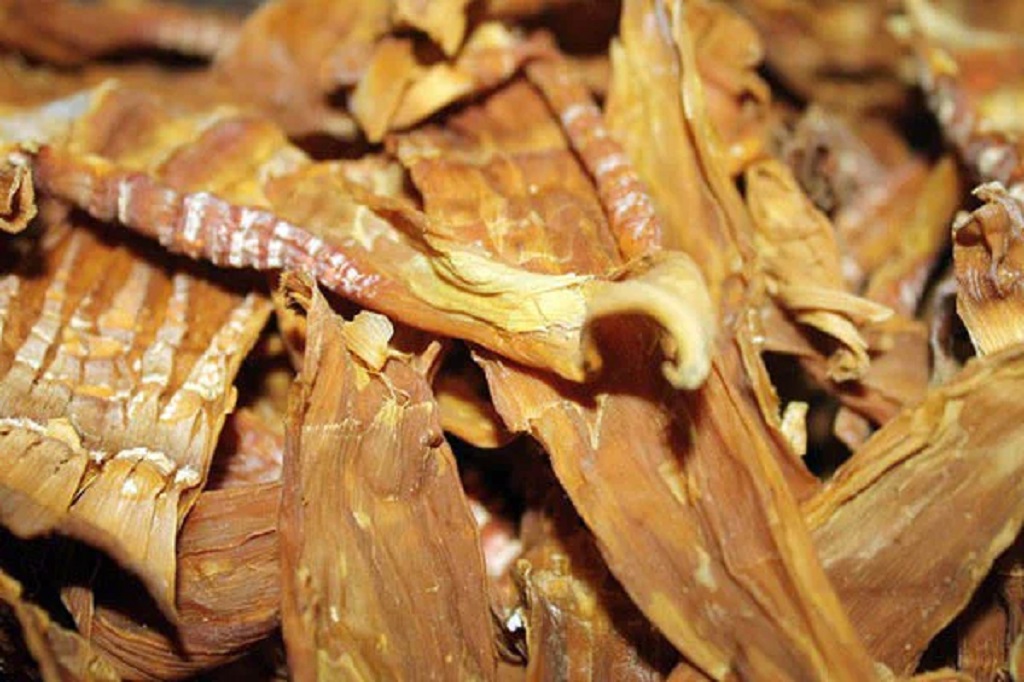
The nứa sprouts (highland bamboo) are harvested in the forests of Mai Lạp, on the lands of Na Rì. Hand-sliced. Sun-dried on racks. No sulfur, no industrial dryer. Just time and forest dust.
Real dried bamboo shoots are recognizable: they are ugly, brittle, and smell of good humus. Not acidic. Not chemical.
Hạt dổi: the poorly traveling secret
Here is the ingredient that separates tourists from the initiated.
Hạt dổi (seed of Michelia mediocris) is roasted and pounded in a mortar. Not in a blender, heretic. It perfumes the broth with a woody, deep bitterness. It’s meditation in broth. It’s what makes you close your eyes when tasting it.
It is found from Cao Bằng to Bắc Kạn, from Tuyên Quang to Pu Luong. Everywhere the Annamite forest keeps its secrets.
The recipe
For 4 patient people
Ingredients
- 500 g of pork ribs or shank (with bones, always with bones)
- 200 g of quality dried bamboo shoots (Mai Lạp if you find it. Ask the reception at Ba Be Jungle Houses to help you)
- 1 onion, sliced
- 2 cloves of garlic, chopped
- 2-3 roasted and pounded hạt dổi seeds
- 1 tbsp vegetable oil
- 2 tbsp fish sauce
- 1 tsp sugar
- Black pepper
- 2 liters of water
- Hành lá, rau mùi (Vietnamese coriander)
- Fresh chilies (on the side, never inside)
Preparation
The bamboo awakens
Soak the dried bamboo shoots for a minimum of 2-3 hours (3 days for purists, with water changes). Blanch 2-3 times until the water is no longer yellow. Cut into 3-4 cm pieces.
The bones purify
Blanch the pork ribs for 2-3 minutes, rinse. It’s ugly but necessary.
The alchemy
In a pot, heat oil. Sauté onion, garlic, and especially the pounded hạt dổi. Add the bamboo shoots, “xào” (sauté) for 5 minutes to absorb the flavors.
The long wait
Add the bones, cover with water. Skim off impurities. Simmer for 1.5 to 2 hours over low heat. The broth should become creamy, almost milky.
Seasoning
Fish sauce, sugar, pepper. Taste, adjust. The soup should be salty, slightly sweet, deep.
The finishing touch
Finely chopped hành lá and rau mùi at the last moment. Serve with white rice, chilies on the side, patient friends, and the desire to be elsewhere.
Conclusion
The legendary lumberjack, if he had known, would have sold his recipe instead of his soup. But he was hungry, and had time, and winter for company.
Sometimes, that’s all it takes.