The rivers of Ba Be

Introduction

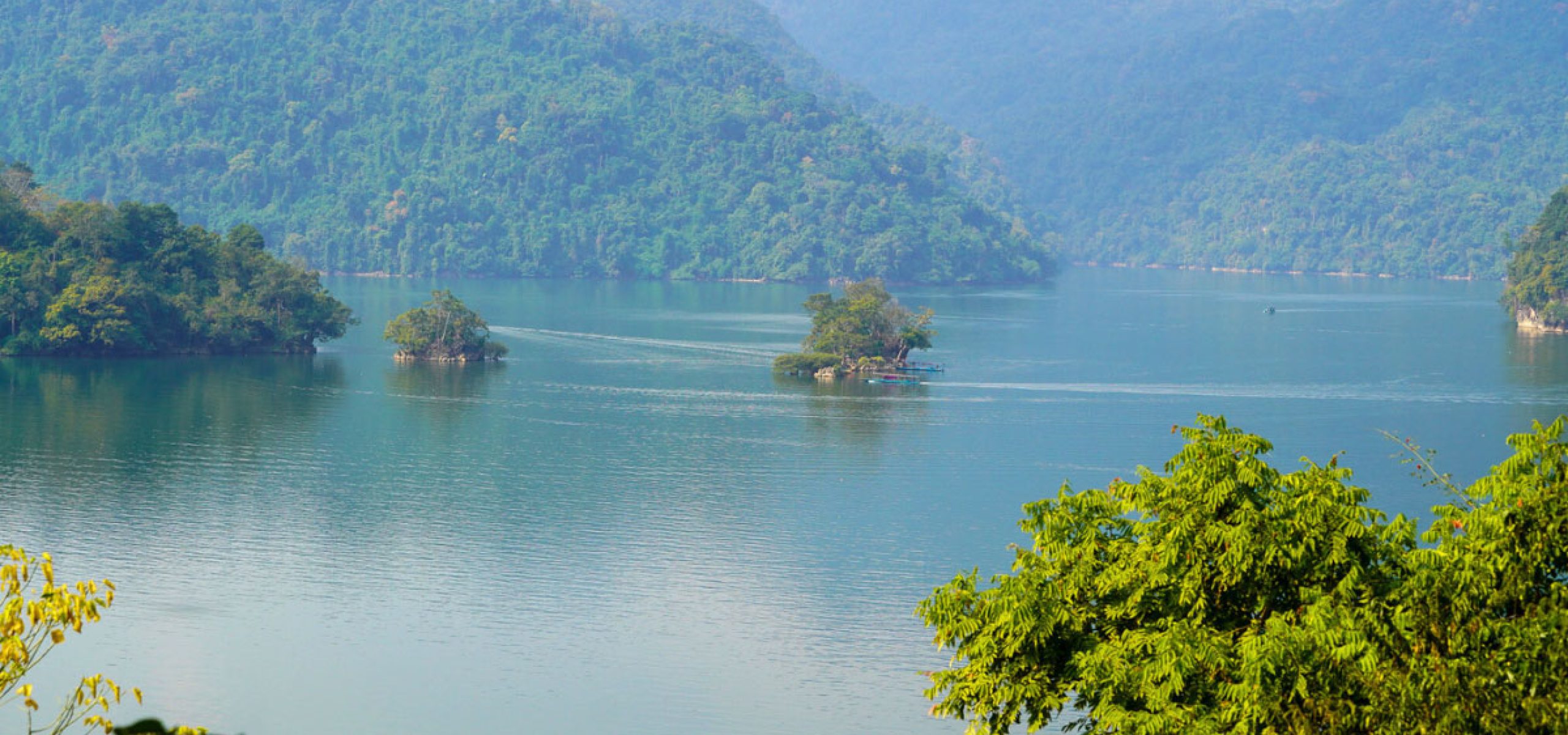
Nestled within the karst mountains of Northeast Vietnam, the Ba Be region showcases a landscape where water sculpts the rock and molds the communities. At the core of this aquatic world lies Lake Ba Be, fed and traversed by a network of rivers and underground springs. Let’s delve into a portrait of these rivers, their ecological and human significance, and the challenges they face.

A landscape shaped by water and limestone

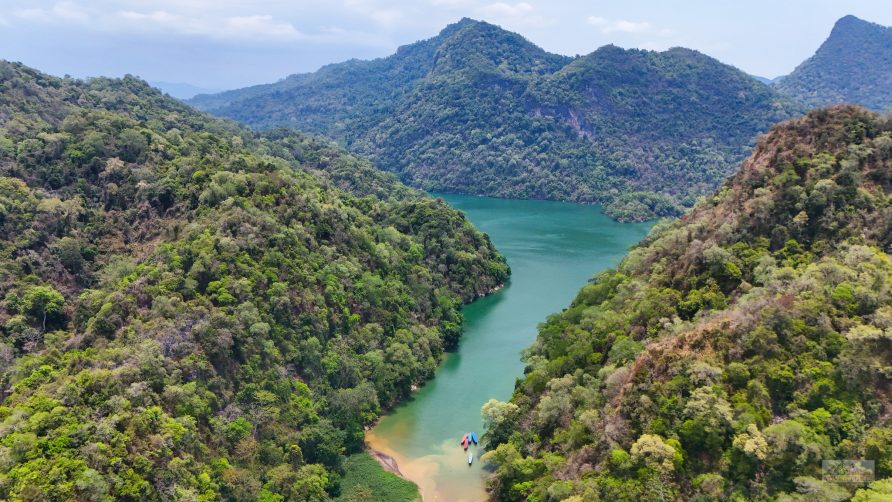
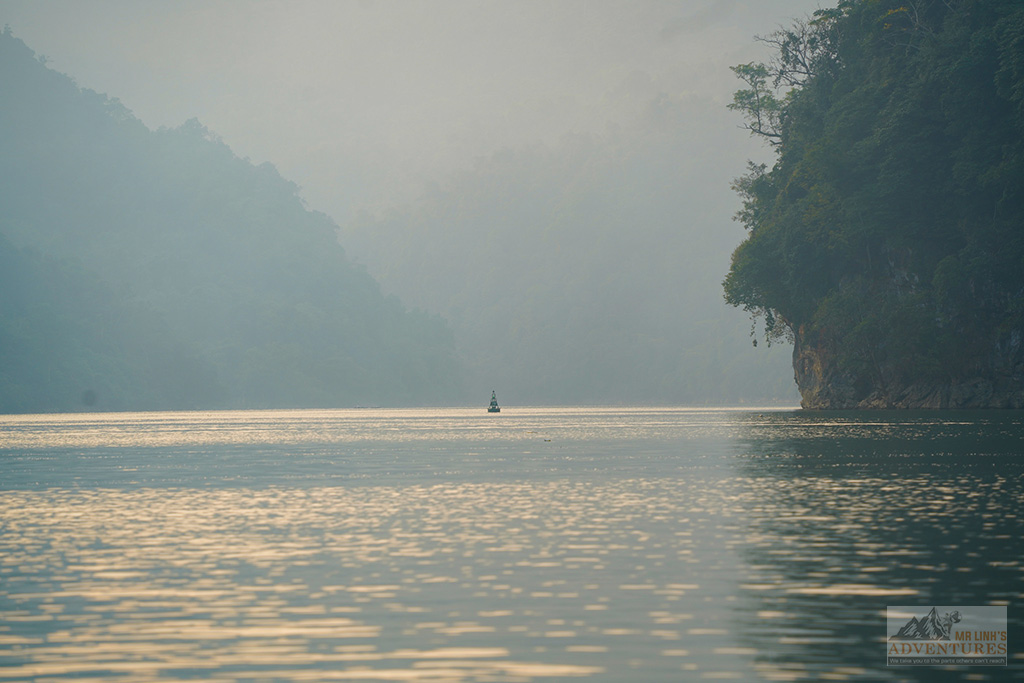
The Ba Be basin is a geological masterpiece dominated by limestone. Amidst steep cliffs and intricate topographies, constant runoff guides the waters towards an 8 km emerald ribbon: Lake Ba Be. This unique system, comprising three interconnected basins (Pé Lầm, Pé Lù, and Pé Lèng), thrives through a dramatic interplay of open gorges and hidden subterranean passages.
► Ba Be along the water

The Nang River: the leading actress

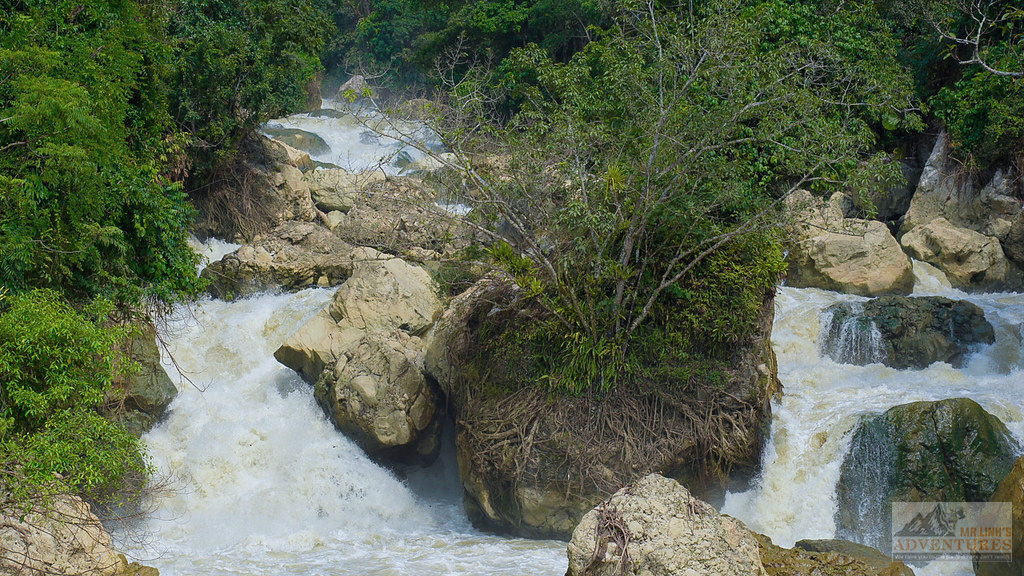
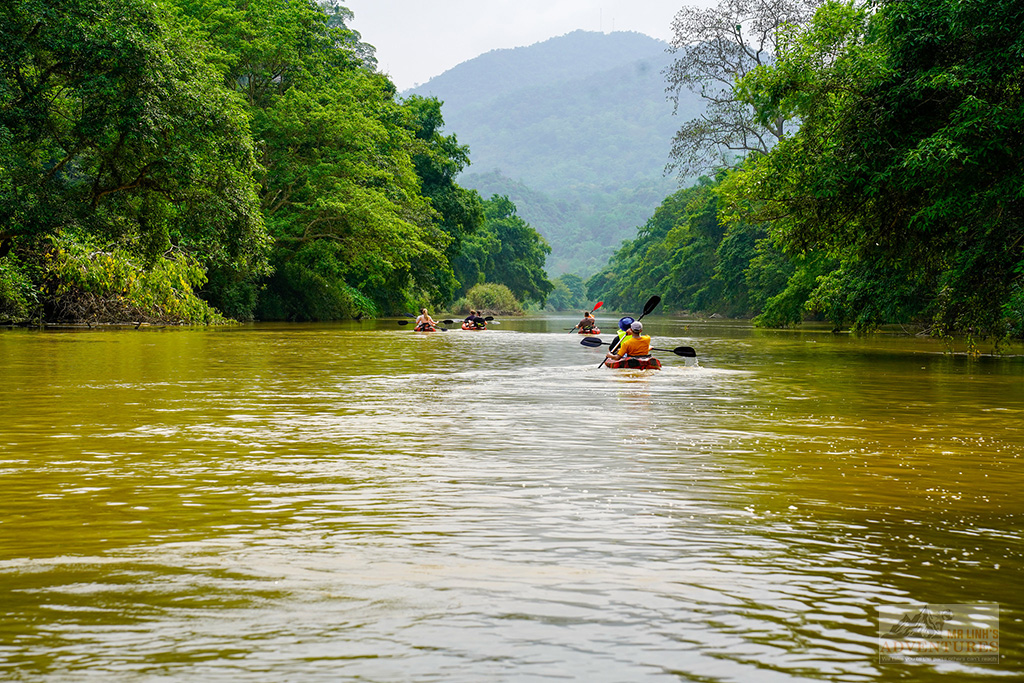
At the heart of the hydrological system, the Nang River plays the starring role. Beyond being a mere waterway, it facilitates traditional boat traffic and provides continuous nourishment to the lake. Two significant sites mark its course:

  • The Nang River doesn’t just skirt the mountains; it pierces through them. Beneath the majestic arch of Động Puông, the karst silence is only broken by the glide of traditional boats, offering an almost mystical transition to the lake.
  • Downstream, the power of Nang reveals itself at Dầu Đăng Falls (Dau Dang), attracting strollers and photographers alike.

Read more : The Nang River

A fragile and vibrant sanctuary

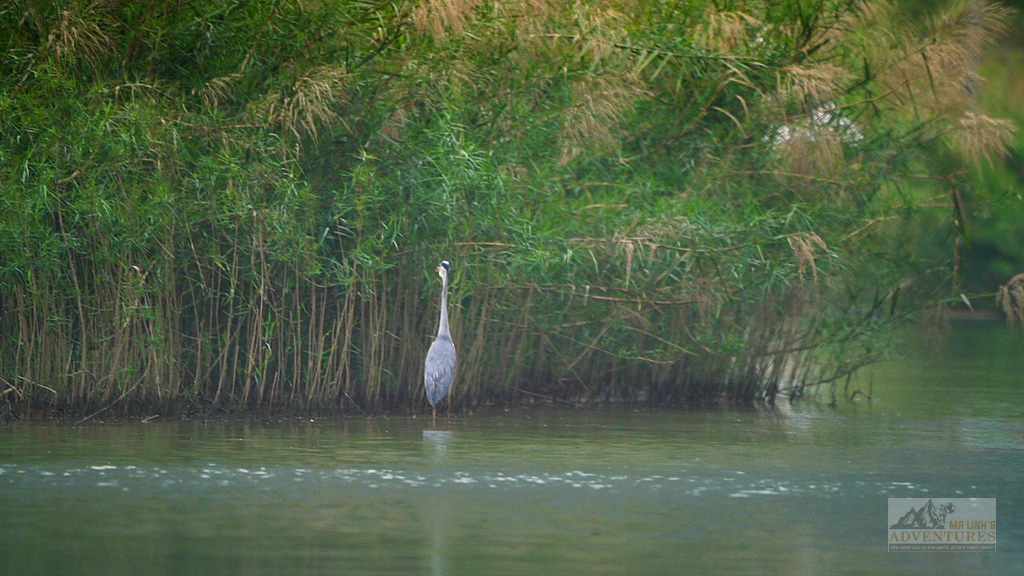
This water network, complemented by the tributaries Tả Hạn and Nam Cường, sustains a biodiversity of rare richness. Riparian forests (wooded strips along the banks) act as vital corridors for diverse fauna, while the micro-habitats of wet caves shelter endemic species.
Yet, this balance remains delicate. Amidst tourist pressures and agricultural challenges, preserving this site – recognized by the Ramsar Convention – stands as a top priority. Exploring Ba Be involves a commitment to responsible tourism: favoring gentle navigation in the dry season (October–April) and heeding the guidance of local guides to touch upon the soul of this living heritage.

Ecological map | Rivers and waterways

Rivers and men

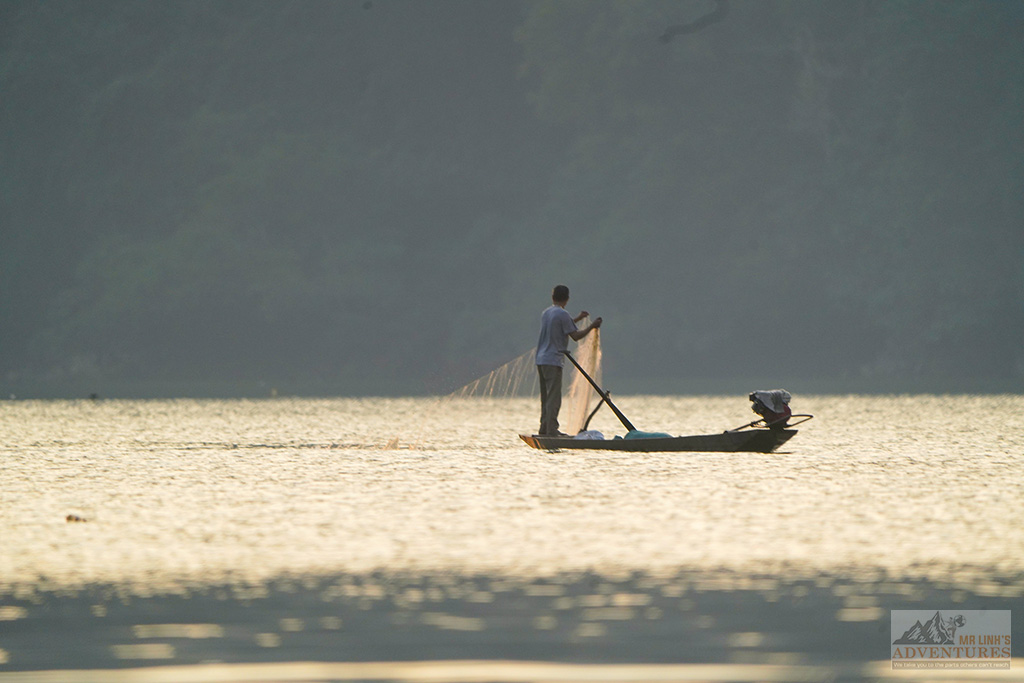
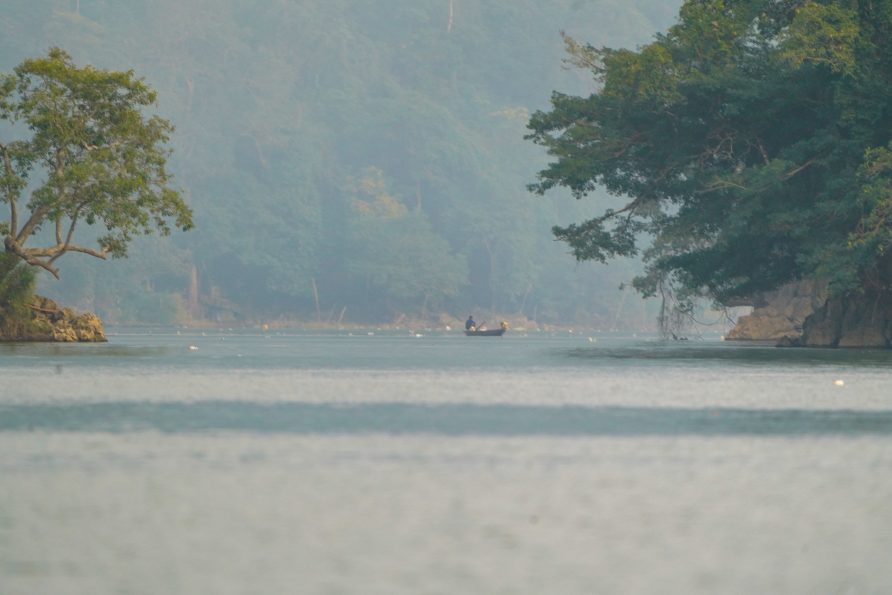
In Ba Be, water isn’t just a backdrop; it shapes daily life. Tày, Dao, and Hmong villages line the shores, where land and water merge. Artisanal fishing and rice paddies, irrigated by floods, mark the seasons. Travelers may spot traditional wooden boats, with shallow drafts, silently gliding to transport people and goods. This millennia-old cohabitation between man and karst creates a unique ambiance where each night spent with locals and every conversation by the water reveals a fascinating cultural resilience.
A heritage in motion

More than mere waterways, the rivers of Ba Be are the veins of a living organism where nature and culture intertwine. By safeguarding each meander and underground source, we’re not just preserving a picturesque backdrop but a fragile equilibrium that sustains entire communities.

Exploring this hydrological network means embracing a slower pace to comprehend the story of an ever-evolving landscape.
Têt in Ba Be: What if the real New Year was celebrated in black and green?

While Hanoi lights up in red and gold, Ba Be National Park lives a different story.

No neon lights here. No constant fireworks. Just the lake, the mist, and the slow rhythm of preparations in the stilt houses of the Pac Ngoi and Bo Lu villages. If you’re looking for a calm and authentic Têt celebration, far from the usual tourist guides, this is where it’s at.

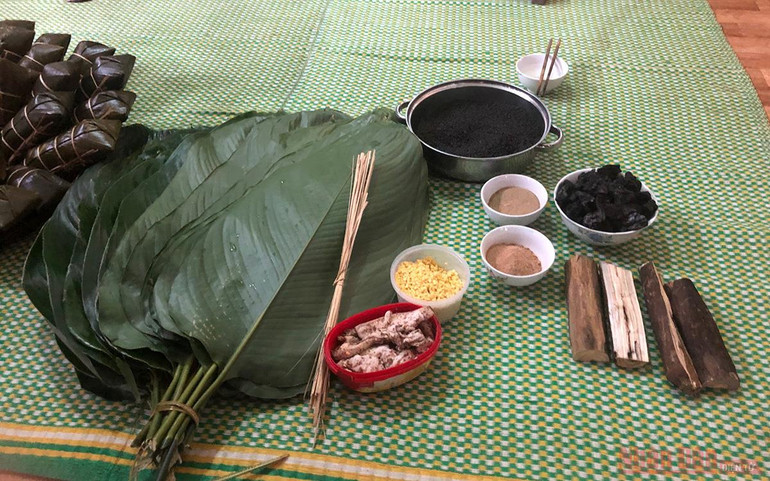
Banh Chung ingredients

Tay Têt: days of preparation

For the Tay (and others), the New Year doesn’t start on the first day of the lunar calendar. It begins 3 to 7 days earlier, in a silent ballet of cleaning and preparation.

It starts with the basics: doors, windows, floors, kitchen. Sorting, repairing, tidying up. Then, on the eve of the big day, it’s time for finishing touches – light sweeping, dusting altars, setting up offerings. Golden rule: no sweeping on the morning of Têt. To sweep is to risk erasing the luck that has just arrived.

Outside, fog covers the lake. Silence is only broken by the sound of the Đàn Tính, the traditional lute that accompanies the Then songs. No looped music, no pre-made playlist.

► Learn more : The Tay of Ba Be

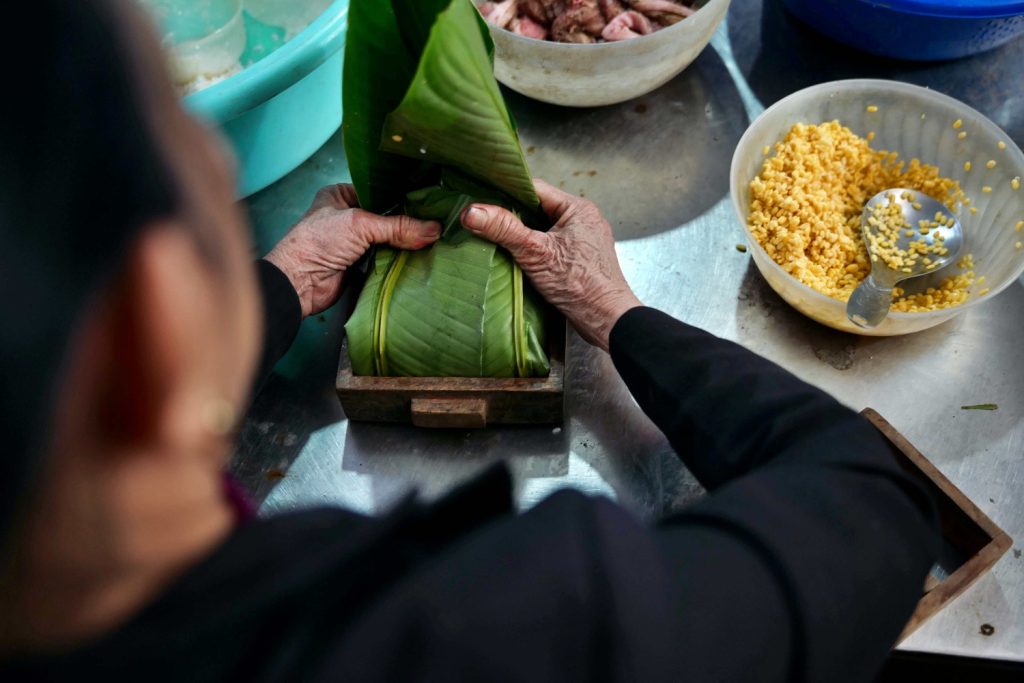
Preparing Banh Chung Den

Bánh Chưng Đen: an identity in a dish

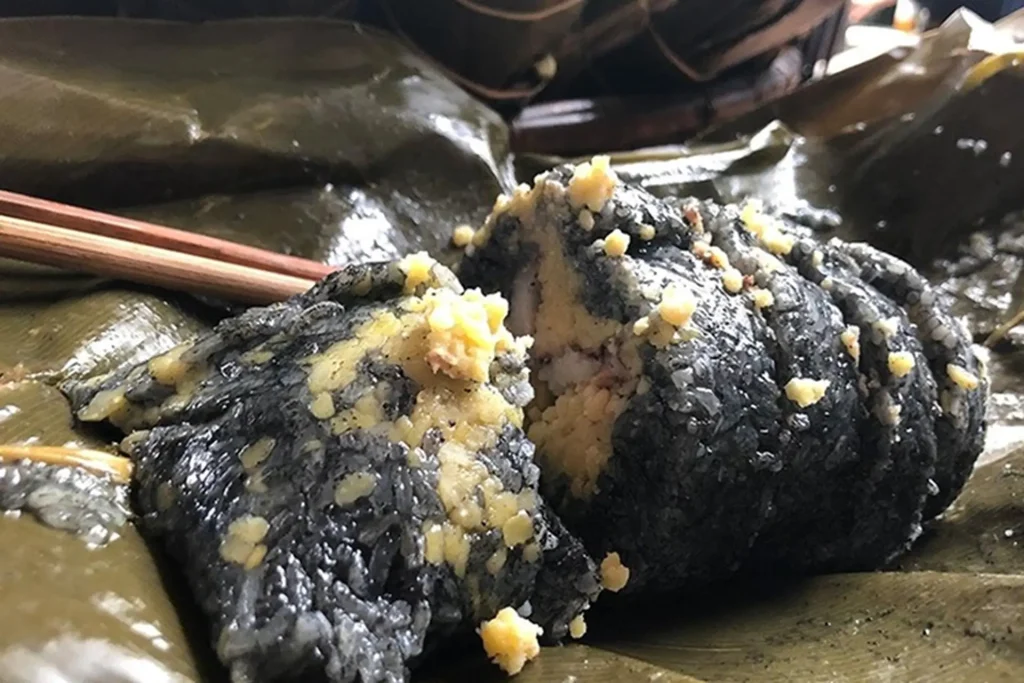
Forget the neon green rice cakes from supermarkets. At Ba Be, Têt has a specific color: black.

Bánh Chưng Đen is not a chromatic curiosity. It’s a millennia-old craftsmanship that defines Tay culinary identity:

  • The color comes from sifted rice straw ash mixed with glutinous rice. A deep, earthy hue, a tribute to the resilience of the highlanders.
  • The taste is smoky, complex. Vegetable charcoal acts as a flavor enhancer and, it’s said, aids digestion – useful during Têt banquets.
  • The shape differs from the classic square: cylindrical or in a turtle shell (symbol of longevity).

Did you know? The preparation is a social event. Families spend the night around the fire, watching the cooking in large pots. This is the moment when the elders pass on the lake’s legends to the younger ones.

Banh Chung Den

Why Ba Be for Têt?

  1. Unfiltered hospitality. Being invited to share a glass of corn alcohol with locals is not a paid tourist option. It’s a certainty. The Tay don’t host for business, but because it’s their way of being.
  2. The lake atmosphere. A boat ride in the early morning, alone in the mist, offers a silence that cities can no longer produce.
  3. Post-Têt village celebrations. After New Year, Long Tong (field descent festival) mobilizes villagers for cotton ball throwing (Con) and archery competitions.

Practical tips for a successful Têt at Ba Be

  • First, warmth. The winter here is humid and biting. The multiple layers system (“onion style”) is essential, especially in the morning and evening.
  • Book a homestay. It’s the only way to taste the Bánh Chưng Đen straight from the fire and understand why this community still lives at the pace of their ancestors.

How to go to Ba Be

Terms & Conditions | Ba Be Jungle Houses

Booking:

– All bookings must be made via the reservation form featured on our website or via email to the address
info@mrlinhadventure.com
– Response will be forthcoming within 48 hrs. Mr Linh’s Adventures will confirm your booking request once the deposit (30% of the total cost) has been received.
– Note that for promotions and sales, 100% of the fee must be paid before confirmation, but the same rules regarding refunds apply. See next section for more details.
– The remaining 70% is due at the homestay before departure.
– We accept full payment with VISA and MASTERCARD.
– All prices and fares are quoted in USD.

Cancellation fees, modifications and refund:

– Once you have paid your 30%, your trip is confirmed.
– Promotions and sales require the full 100% of the fee to receive a booking confirmation.
– For Promotions and sales, the same rules of cancellation and refunds apply.
– Any cancellation of a booking must be in writing and shall only be effective upon its acknowledged receipt by Mr Linh’s Adventures.
– No refunds are given in case of ‘force majeure’.

Fees applied:
– 30% of the total payment if the cancellation is made 7 days prior to the estimated arrival date stated in the booking confirmation
– 50% of the total payment if the cancellation is made 6 to 3 days prior to the estimated arrival date stated in the booking confirmation
– 100% of the total payment if the cancellation is received 3 days prior to the estimated arrival date stated in the booking confirmation.

Check-in and check-out times:

– Check in time is 2:00 PM while check out time is 12:00 PM.
– Early check-in and late check-out are subject to room availability.
– Early check-in between 5:00 AM and 9:00 AM will result to 50% charge of the room rate. Early check-in between 9:00 AM and 2:00 PM will result to 30% charge of the room rate.
– Late check-out between 12:00 PM and 3:00 PM will result to 30% charge if the room rate. Late check-out between 3:00 PM and 6:00 PM will result to 50% charge of the room rate. And late check-out after 6:00 PM will result to 100% charge of the room rate.

Children policy:

– Children up to 5 years old can share the room with their parents or guardians at no additional charge. A complimentary extra bed can be provided upon request.
– Children from 5 to 11 years old sharing the same room with their parents must pay for extra bed.
– Children from 12 years old are considered adults and must pay the full rate.

Package Inclusions :
– Each rate includes room, breakfast and service charge (5%).